Is Puerto Vallarta in the Caribbean? Differences with Riviera Maya
This is one of the most common questions travelers ask when planning a Mexico vacation: Is Puerto Vallarta in the Caribbean? The short answer is no. Puerto Vallarta is located on Mexico's Pacific coast, in the state of Jalisco, while the Caribbean side of Mexico encompasses the Riviera Maya in the state of Quintana Roo. These two regions are on opposite coasts of the country, separated by the entire Mexican landmass, and they offer distinctly different experiences. Understanding these differences is crucial for choosing the destination that best matches your vacation expectations.
Geographic Location: Pacific vs Caribbean
The fundamental difference between Puerto Vallarta and the Caribbean destinations is their geographic location. Puerto Vallarta sits on Mexico's Pacific coast, along Banderas Bay, approximately 200 miles northwest of Mexico City. The Caribbean region, including Cancun, Playa del Carmen, Tulum, and the broader Riviera Maya, is located on the eastern side of the Yucatan Peninsula, facing the Caribbean Sea. These two areas are roughly 1,500 miles apart by road, making them completely distinct regions with different climates, ecosystems, and cultural influences.
Suggested experience · Related to: Puerto Vallarta: Pacific Coast Geography

Private Tour: Puerto Vallarta ATV Adventure
Puerto Vallarta: Pacific Coast Geography
Puerto Vallarta's location on the Pacific coast gives it a dramatic natural setting. The city is backed by the Sierra Madre mountains, which rise steeply from the coast and create a stunning backdrop of jungle-covered peaks. Banderas Bay, one of Mexico's largest natural bays, provides protected waters that are generally calmer than the open Pacific. This geography creates a landscape of mountains meeting the sea, with lush tropical vegetation, rivers, and waterfalls cascading down to the coast. The terrain is hilly and varied, offering opportunities for hiking, exploring hidden beaches, and experiencing Mexico's Pacific coastal ecosystem.
Riviera Maya: Caribbean Geography
The Caribbean side features a different geography altogether. The Yucatan Peninsula is relatively flat, with a limestone foundation that has created the region's famous cenotes—natural sinkholes filled with freshwater that connect to underground river systems. The Caribbean Sea here is characterized by its remarkably clear turquoise waters and white sand beaches. The terrain is generally level, making it easy to explore, and the underground water system has created extensive cave networks and natural swimming holes that are unique to this region. The lack of mountains means sunsets are less dramatic than on the Pacific, but the sunrises over the Caribbean can be spectacular.
Suggested experience · Related to: Beach and Water Differences

Puerto Vallarta Zipline, Rappel, Water Slide & Speedboat tour
Beach and Water Differences
For many travelers, the beach experience is the primary factor in choosing between these two regions. The differences in water color, sand texture, and swimming conditions are significant and should be carefully considered.
Water Color and Clarity
The Caribbean side is famous for its turquoise blue waters that appear almost unreal in photographs. The water clarity is exceptional, with visibility often exceeding 100 feet in good conditions. This clarity results from the region's limestone foundation, which filters runoff and keeps the water remarkably clear. In contrast, Puerto Vallarta's waters are deeper blue-green, typical of the Pacific Ocean. While still beautiful and clear enough for excellent snorkeling and diving, the water doesn't have that signature Caribbean turquoise hue that many travelers associate with tropical paradise.
Suggested experience

Puerto Vallarta City Tour with a Visit to our Adventure Park
Sand Color and Texture
Caribbean beaches feature powdery white sand that feels soft underfoot and stays remarkably cool even in direct sunlight. This sand is composed of ground coral and limestone, giving it its characteristic white color and fine texture. Puerto Vallarta's beaches tend to have golden or light brown sand that is somewhat coarser and grainier. However, within Banderas Bay, you can find pockets of softer, lighter-colored sand, particularly in areas like Nuevo Vallarta and certain coves. The sand here is typically warmer to walk on than Caribbean sand, but it's still comfortable for beach activities.
Swimming Conditions
Both regions offer generally good swimming conditions, but with different considerations. The Caribbean side can experience rougher conditions during certain times of year, particularly when cold fronts pass through from November through February, creating choppy seas and stronger currents. The Pacific side, particularly within protected Banderas Bay, offers calmer swimming conditions for much of the year. However, Pacific beaches outside protected bays can have significant surf and dangerous rip currents. Puerto Vallarta's main beaches are generally safe for swimming, with lifeguards present at popular spots, but it's always important to observe local conditions and warning flags.
Suggested experience

Hop On Hop Off Tour with Free Stops in Puerto Vallarta
The Sargassum Issue
One significant factor affecting Caribbean beaches in recent years is sargassum, a type of seaweed that washes ashore in large quantities. This natural phenomenon has become increasingly problematic along the Caribbean coast, particularly from May through October, turning pristine white beaches into brown, seaweed-covered stretches. While resorts and municipalities work to clean affected beaches, the sargassum can impact the beach experience. The Pacific coast, including Puerto Vallarta, does not experience sargassum issues, making this a notable advantage for the Pacific side.
Weather and Climate Patterns
The weather patterns differ significantly between the Pacific and Caribbean coasts, affecting when you should visit and what conditions to expect.
Temperature and Humidity
Both regions are tropical and warm year-round, but with different humidity profiles. The Caribbean side tends to be more humid, with temperatures consistently hot and muggy throughout the year. Puerto Vallarta experiences more seasonal variation, with drier, more comfortable conditions from November through April. The Pacific side can get quite hot and humid during the rainy season from July through October, but the dry season offers pleasant temperatures with lower humidity that many visitors find more comfortable.
Suggested experience

Puerto Vallarta VIP Promotional Tour
Rainy Season Timing
The rainy seasons occur at different times on each coast. Puerto Vallarta's rainy season runs from July through October, with September typically being the wettest month. Rain usually comes in intense afternoon or evening storms, with mornings often remaining sunny and pleasant. The Caribbean side's rainy season peaks from September through November, which also coincides with hurricane season. Caribbean rain can be more persistent and less predictable than the patterned afternoon storms of the Pacific.
Hurricane Risk
Both coasts face hurricane risk, but with different profiles. The Caribbean side is more directly in the typical Atlantic hurricane belt, with the highest risk from August through October. The Pacific coast also experiences hurricanes, but typically fewer and with different timing. Puerto Vallarta's location within Banderas Bay and the protection offered by the Sierra Madre mountains make it somewhat less vulnerable than more exposed Caribbean locations. However, both regions require awareness of weather conditions during hurricane season, and travel insurance that covers weather-related disruptions is essential for either destination.
Suggested experience · Related to: Activities and Attractions

Puerto Vallarta: Tropical Fish Snorkeling and Zipline Tour
Activities and Attractions
The types of activities and attractions available differ significantly between the two regions, reflecting their distinct geographies and cultural histories.
Unique to the Caribbean: Cenotes and Mayan Ruins
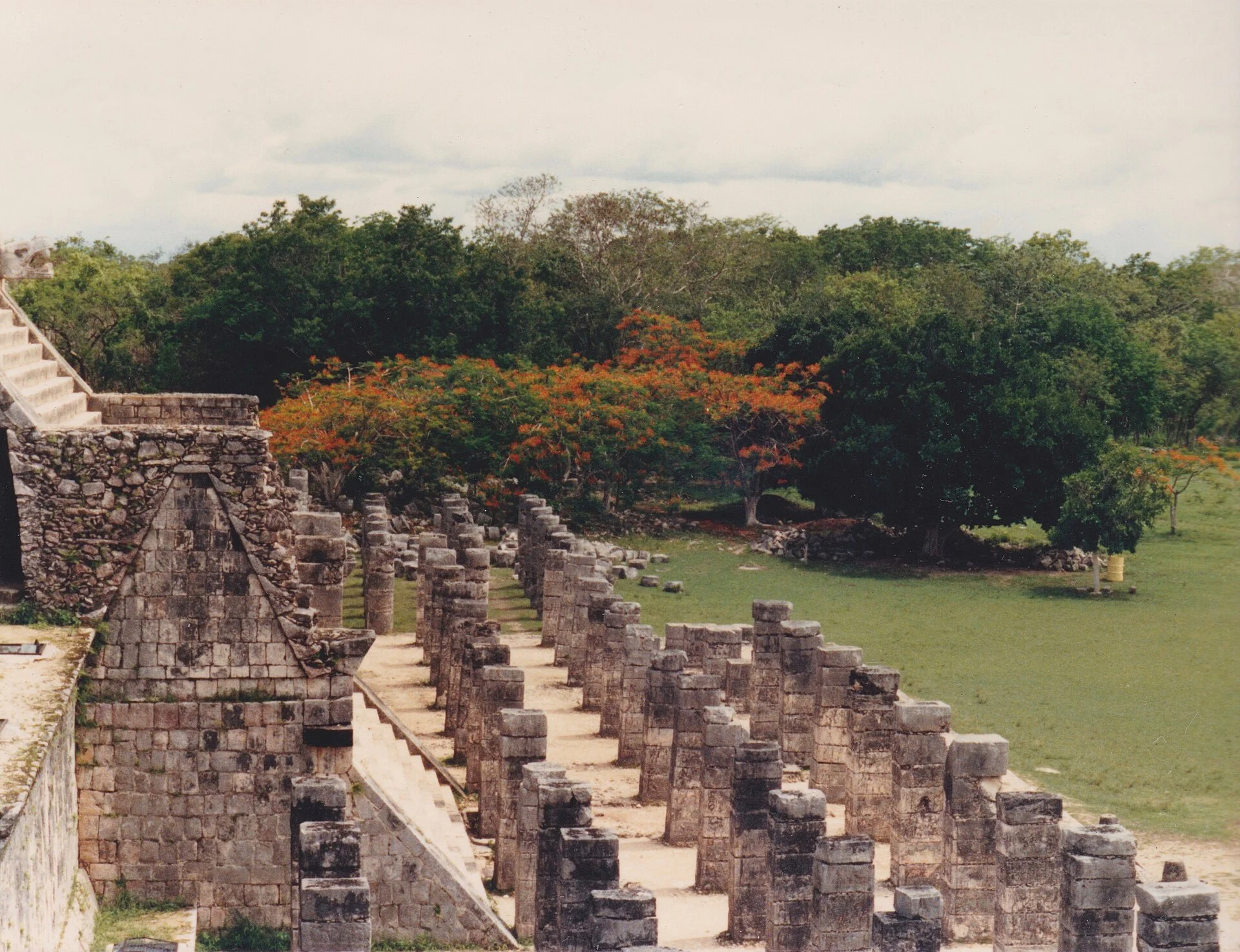
The Caribbean side offers experiences that simply don't exist on the Pacific coast. The cenotes—natural freshwater sinkholes—are unique to the Yucatan Peninsula's limestone geology. These range from open-air swimming holes to cave systems with crystal-clear water, providing magical swimming and snorkeling experiences. The region is also home to impressive Mayan ruins, including Chichen Itza (one of the New Seven Wonders of the World), Tulum (dramatically situated on a cliff above the Caribbean), and Coba. These archaeological sites offer insights into ancient civilizations and are must-see attractions for many visitors.
Suggested experience · Related to: Unique to Puerto Vallarta: Mountains, Jungles, and Marine Life

Immersive Experience & Tequila Tasting in Puerto Vallarta
Unique to Puerto Vallarta: Mountains, Jungles, and Marine Life
Puerto Vallarta's mountainous terrain creates opportunities that don't exist on the flat Caribbean coast. The Sierra Madre mountains offer hiking trails, waterfalls, and natural hot springs that can be explored on foot or horseback. The jungle terrain provides habitat for diverse wildlife and creates opportunities for eco-tours and zip-lining adventures. Perhaps most uniquely, Puerto Vallarta sits in Banderas Bay, which becomes a winter breeding ground for humpback whales from December through March. Whale watching tours are available, and it's sometimes possible to see whales breaching from the beach or resort pools—a truly magical experience unavailable on the Caribbean side.
Cultural Experiences
Puerto Vallarta offers a more traditional Mexican cultural experience, with a historic downtown that feels like a colonial Spanish city. The Malecon boardwalk, the Church of Our Lady of Guadalupe, and the cobblestone streets of the Romantic Zone provide authentic Mexican atmosphere. The city is also famous for its tequila production—tequila can only be legally produced in the state of Jalisco, so authentic tequila distillery tours are available. The Caribbean side, while offering Mexican culture, has a more international resort feel, with less emphasis on traditional Mexican town life and more on self-contained resort experiences.
Suggested experience

Bikes and Bites: Taco Bicycle Tour in Puerto Vallarta
Accommodation Styles
The types of accommodations and the overall vacation structure differ between the two regions.
Caribbean: Resort-Focused Experience
The Riviera Maya is dominated by large, all-inclusive resorts, many of which are self-contained destinations unto themselves. These properties often feature multiple restaurants, pools, entertainment, and activities, with little need to leave the property. The resort experience is highly organized and convenient, with everything prepaid and included. This style appeals to travelers who want a predictable, hassle-free vacation where they don't need to make decisions about dining or activities once they arrive. The resorts are typically located along the coast, often with private beach access.
Puerto Vallarta: Mixed Accommodation Options
Puerto Vallarta offers a more diverse range of accommodation options. While all-inclusive resorts are available, particularly in Nuevo Vallarta, the region also has numerous boutique hotels, vacation rentals, and traditional hotels that don't include meals or activities. This gives travelers more flexibility to explore local restaurants, experience the city's nightlife, and engage with the local community. The accommodation options are spread throughout the area, from beachfront properties to downtown hotels to hillside locations with ocean views. This variety allows for different vacation styles and budgets.
Suggested experience · Bestseller

Winner 2026 Downtown Vallarta Food Tour with Vallarta Food Tours
Cost Considerations
Budget considerations can differ significantly between the two regions, though this varies based on travel style and timing.
Overall Cost Comparison
In general, Puerto Vallarta tends to be more affordable than the Caribbean destinations, particularly for travelers who don't choose all-inclusive packages. Local restaurants in Puerto Vallarta offer excellent value, with full meals available for $5-7 USD, and clean, comfortable hotels can be found for $30-40 per night. The Caribbean side, particularly in peak season, tends to be more expensive, with higher prices for accommodations, dining, and activities. However, all-inclusive packages can sometimes offer good value if you take full advantage of the included amenities.
Flight Costs
Flight costs vary significantly based on your departure city in the United States or Canada. Some cities have better direct flight connections to Cancun, while others have more options to Puerto Vallarta's Licenciado Gustavo Díaz Ordaz International Airport. It's worth comparing flight costs as part of your overall budget planning, as flight prices can sometimes outweigh other cost differences between the destinations.
Suggested experience

Puerto Vallarta Mexican Cooking Class with Market Tour
Safety Considerations
Both regions are generally safe for tourists, but with different safety profiles and considerations.
Caribbean Safety
The Riviera Maya tourist zone is considered very safe, particularly within all-inclusive resorts which have controlled access and private security. Visitors who stay within resort properties and participate in organized tours typically experience no safety issues. The tourist corridor between Cancun and Tulum is well-patrolled and designed for visitor safety. However, venturing away from tourist areas into local communities requires the same situational awareness that would be prudent anywhere in the world.
Puerto Vallarta Safety
Puerto Vallarta has established itself as one of Mexico's safest tourist destinations, with a strong police presence in tourist areas and a low incidence of violent crime against visitors. The city's tourist zones, including the Romantic Zone, Marina Vallarta, and the hotel corridor, are well-patrolled and considered very safe. However, because Puerto Vallarta is a real city rather than a self-contained resort area, visitors should exercise standard urban precautions: secure valuables, be aware of surroundings, and avoid unfamiliar areas after dark. The city's walkability and tourist density contribute to its safety, but basic awareness is always prudent.
Suggested experience

Butterfly Sanctuary & Museum Guided Tour in Puerto Vallarta
Choosing Between the Two
The decision between Puerto Vallarta and the Caribbean ultimately comes down to your personal preferences and vacation priorities.
Choose the Caribbean (Riviera Maya) If:
- You want the classic turquoise water and white sand beach experience
- You're interested in Mayan ruins and cenotes
- You prefer a self-contained all-inclusive resort experience
- You want exceptionally clear water for snorkeling and diving
- You're traveling during Pacific rainy season (July-October) and want better weather
- You prefer flat terrain and easy mobility
Choose Puerto Vallarta If:
- You want a more authentic Mexican cultural experience
- You're interested in whale watching (December-March)
- You prefer mountain and jungle scenery alongside beaches
- You want to explore a real city with restaurants, nightlife, and local culture
- You're concerned about sargassum affecting Caribbean beaches
- You want dramatic Pacific sunsets
- You're interested in tequila production and distillery tours
- You prefer more accommodation and dining flexibility beyond all-inclusive
Travel tip: Many travelers end up visiting both regions over multiple trips to Mexico, as each offers a completely different but equally rewarding experience. If you can't decide, consider that Puerto Vallarta often provides better value for money and a more immersive cultural experience, while the Caribbean delivers that picture-perfect tropical beach paradise that many travelers dream of. Neither choice is wrong—they're just different experiences.
Recommended video
MEXICAN RIVIERA CRUISE PORT GUIDE | Mazatlán, Puerto Vallarta & Cabo San Lucas | Tips & Excursions
A visual guide that complements the “Choose Puerto Vallarta If:” section with useful context for your visit.
Video by Alex & ErikaConclusion
Puerto Vallarta is definitively not in the Caribbean—it's a Pacific coast destination with its own unique character, advantages, and appeal. The Caribbean side of Mexico, centered on the Riviera Maya, offers a different but equally compelling vacation experience. Understanding the geographic, climatic, and cultural differences between these two regions allows you to make an informed choice that matches your vacation dreams. Whether you choose the turquoise waters and Mayan history of the Caribbean or the mountain-backed bays and authentic culture of Puerto Vallarta, both destinations offer world-class vacation experiences that have made Mexico one of the world's most popular tourist destinations.